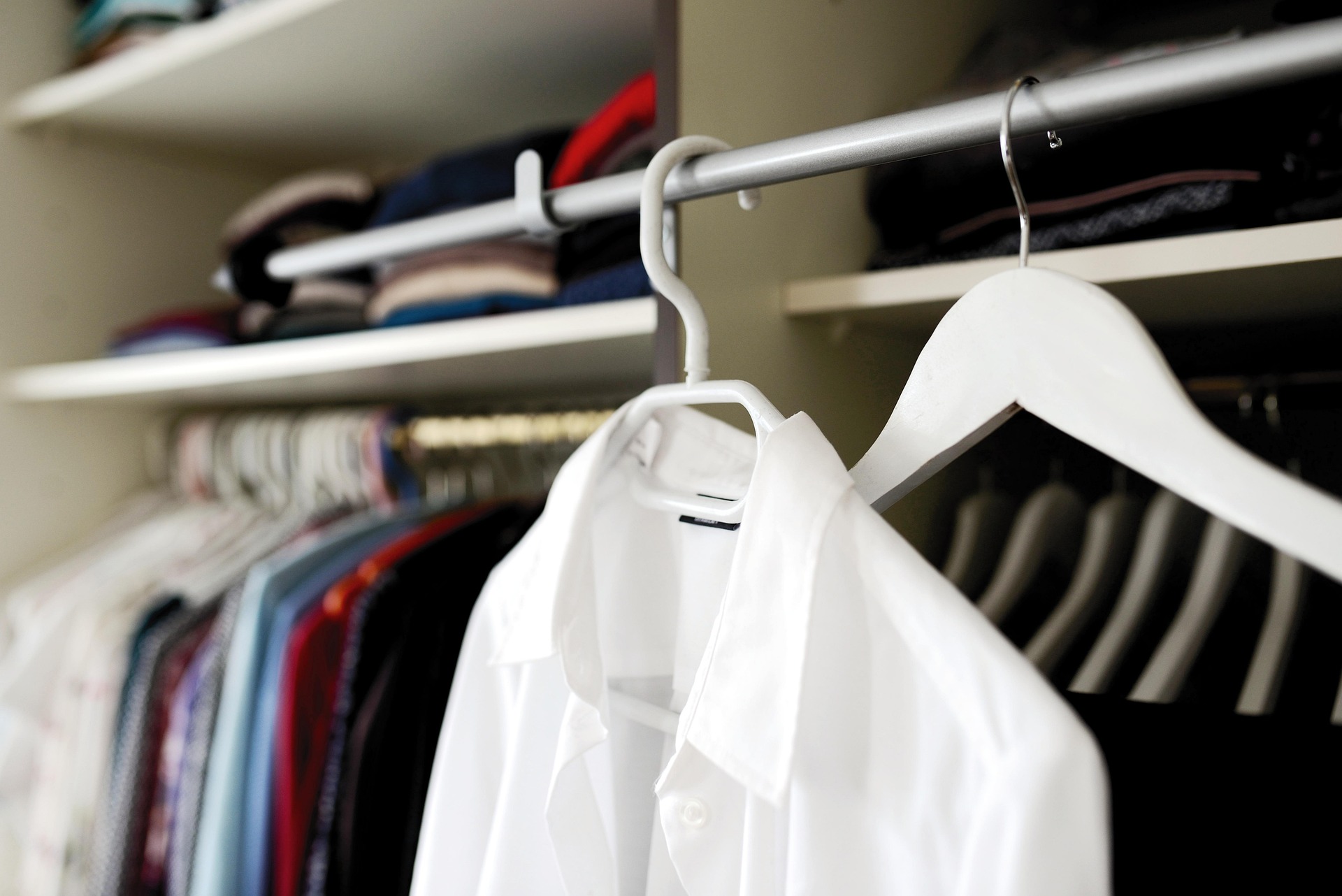
Best Tips for Organizing Your Closet
A well-organized closet can save you time, reduce stress, and make getting dressed every day feel effortless. Whether your closet is walk-in, reach-in, or a small wardrobe, the key to maintaining order is creating a system that works for your lifestyle. This guide breaks down the best, most practical tips to help you declutter, categorize, and maximize space—perfect for beginners and anyone looking to refresh their closet.
1. Start With a Full Closet Reset
Before organizing, you need a clear starting point.
How to reset your closet
- Take everything out
- Clean shelves, rods, and drawers
- Vacuum or sweep the floor
- Wipe down surfaces and mirrors
Why this matters
A full reset helps you see the space clearly and prevents organizing around unnecessary clutter.
2. Declutter with a Purpose
Closets often hold clothes we no longer wear, need, or even like.
Use these decluttering questions:
- Have I worn this in the last year?
- Does it fit comfortably right now?
- Does this match my current style?
- Would I buy this again today?
- Is it in good condition?
Categorize into three piles
- Keep
- Donate or sell
- Trash (damaged or worn out)
Being honest with yourself is the key to creating a closet you truly love.
3. Group Clothes by Category and Subcategory
An organized closet is all about visibility and accessibility.
Main categories
- Tops
- Bottoms
- Dresses
- Outerwear
- Shoes
- Accessories
Subcategories
- Workout tops
- Jeans
- Sweaters
- Workwear
- Casual wear
- Seasonal items
Why this works
Grouping similar items makes it easier to put outfits together and prevents overcrowding.
4. Invest in Matching, Slim Hangers
One of the simplest upgrades for any closet.
Benefits
- Creates visual uniformity
- Saves space
- Prevents sliding or stretching
- Makes the entire closet look cleaner instantly
Types to consider
- Velvet hangers (space-saving)
- Wooden hangers (durable and stylish)
- Specialty hangers for pants, skirts, or scarves
5. Use the “Top-to-Bottom” Hanging Method
How you hang clothes can dramatically improve organization.
Arrange from shortest to longest:
- Sleeveless tops
- Short-sleeve shirts
- Long-sleeve shirts
- Jackets and blazers
- Dresses and long items
Why it helps
This creates a natural visual flow and opens floor space under shorter pieces.
6. Maximize Vertical Space
Many closets waste valuable height.
Try these solutions
- Add a second clothing rod
- Install wall-mounted shelves
- Use stackable bins
- Add a small vertical shoe rack
Best for:
Small closets, wardrobes, or shared spaces.
7. Don’t Overlook Shelf Dividers
Shelf dividers prevent tall piles from collapsing and mixing.
Use them for:
- Sweaters
- Jeans
- Handbags
- Towels
- Seasonal items
They keep stacks neat and increase your closet’s usable space.
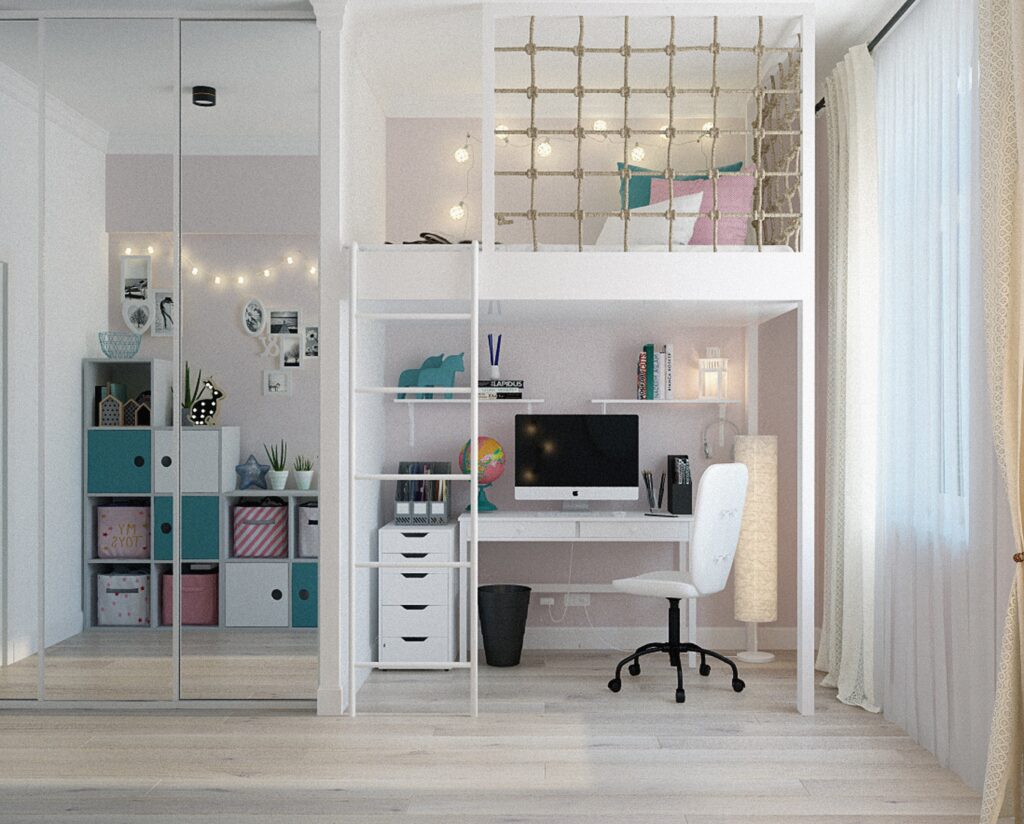
8. Store Seasonal Clothes Separately
Avoid cluttering your everyday closet with items you won’t wear for months.
Where to store them
- Under-bed containers
- High shelves
- Vacuum-sealed bags
- Labeled storage bins
Keeping seasonal clothing out of your main rotation simplifies getting dressed.
9. Use Drawer Organizers for Small Items
Small accessories often create hidden chaos.
Perfect for:
- Socks
- Underwear
- Bras
- Belts
- Ties
- Jewelry
Drawer organizers keep everything separated and easy to find.
10. Create a Shoe Organization System
Shoes take up more space than most people realize.
Options to consider
- Shoe shelves
- Over-the-door organizers
- Clear stackable shoe boxes
- Cubbies or grid shelves
Pro tip
Store frequently worn shoes at eye level and special-occasion shoes higher or lower.
11. Use Baskets and Bins for Overflow Items
Ideal for storing things you don’t need every day.
Use them for
- Extra linens
- Scarves and hats
- Bags
- Off-season accessories
- Workout gear
Make sure to label each bin to maintain the system.
12. Create a “Go Zone” for Everyday Favorites
Reduce decision fatigue and morning stress.
Examples
- Your favorite jeans
- Best-fitting tops
- Daily footwear
- Work essentials
This zone keeps your daily routine smooth and efficient.
13. Keep a Donation Bag Inside Your Closet
This simple habit prevents future clutter.
Whenever you find something you no longer want, toss it into the bag immediately.
When the bag fills up—donate it.
14. Maintain the System With a Weekly Reset
Closets naturally get messy over time—maintenance keeps them under control.
Weekly 10-minute routine
- Rehang clothes properly
- Refold anything out of place
- Put shoes back on shelves
- Empty the donation bag
- Check laundry baskets
Small habits prevent big messes.
Real-Life Closet Organization Examples
Example 1: Small Apartment Closet
A renter doubled hanging space by adding a second rod and switching to slim velvet hangers.
Example 2: Shared Closet System
A couple used labeled baskets and shelf dividers to separate belongings and reduce mixed items.
Example 3: Minimalist Wardrobe Makeover
A student used the “keep only favorites” method and reduced her wardrobe by 40%, making outfits easier to choose.
Frequently Asked Questions (FAQ)
1. What’s the easiest place to start?
Start with removing clutter and switching to matching hangers for immediate improvement.
2. How often should I reorganize my closet?
Do a light reset weekly and a full declutter every 3–4 months.
3. Do I need to buy expensive organizers?
No. Decluttering and grouping items are more important than products.
4. How do I organize without a closet?
Use garment racks, dressers, under-bed bins, and over-the-door storage to create a “closet zone.”
5. What’s the best way to organize shoes?
Use vertical shelves or clear boxes to maximize space and visibility.
Closet Organization Checklist
- Empty and clean the closet
- Declutter honestly
- Use matching slim hangers
- Group clothing by category
- Arrange hanging items by length
- Maximize vertical space
- Use drawer dividers
- Organize shoes thoughtfully
- Store seasonal items elsewhere
- Keep a donation bag handy
- Maintain with a quick weekly reset