
How to Organize Your Documents and Papers
Managing documents and papers can be overwhelming—bills, receipts, medical files, school papers, warranties, and personal records pile up quickly. Without a clear system, you may lose important documents, miss deadlines, or waste time searching for what you need.
The good news is that with a few practical strategies, you can create a simple, manageable paper-organization system that keeps everything accessible, secure, and clutter-free.
This guide will show you step-by-step how to sort, categorize, store, and maintain your documents, both physical and digital.
Why Paperwork Gets Out of Control
Paper piles build up fast because:
✔ Papers come in daily (mail, school, work, deliveries)
✔ No designated place for documents
✔ Old files get mixed with new ones
✔ Important papers aren’t separated
✔ Papers are stored in random places
An effective system needs to be easy to maintain, quick to use, and clear enough to prevent clutter from returning.
1. Start With a Complete Paper Declutter
Before creating a system, sort through everything you have.
Gather all papers from:
- Drawers
- Bags
- Kitchen counters
- Home office
- Living room
- Folders and old binders
Sort them into three piles:
Keep / Shred / Recycle
Keep: important documents, legal papers, forms needed soon
Shred: anything with personal information (names, addresses, account numbers)
Recycle: junk mail, outdated coupons, old newspapers
Decluttering first prevents your new system from becoming overloaded.
2. Separate Papers Into Two Categories: Action and Archive
This is the foundation of paper organization.
A. Action Papers (Short-Term)
Papers you need soon, such as:
- Bills
- Appointment reminders
- School forms
- To-do documents
- Receipts for returns
- Mail that requires action
These papers should be stored in a visible, easy-access spot.
B. Archive Papers (Long-Term)
Documents you must keep permanently or for many years:
- Birth certificates
- Passports
- Insurance policies
- Tax records
- Legal documents
- Medical files
- Car papers
- Warranties and manuals
These should be stored in long-term, safe storage.
3. Create a Simple Filing System That Works for You
A complicated system becomes impossible to maintain. Keep it simple.
Option 1: File Folders (Best for Most Homes)
Use labeled folders inside a file box or filing drawer.
Essential folder categories
- Personal
- Medical
- Financial
- Insurance
- Home documents
- Car-related
- School or kids’ papers
- Work-related
- Taxes
- Warranties & manuals
Option 2: Accordion File (Small Spaces)
Perfect for limited space or minimal paperwork.
Assign each pocket to a category.
Option 3: Binders (Great for School Papers)
Use clear sheet protectors for:
- Reports
- Artwork
- Certificates
- Class schedules
Binders keep kids’ papers organized and easy to browse.
4. Use a “Paper Inbox” to Stop Random Piles
Place a small tray, basket, or inbox in one central location.
What goes in this inbox?
- New mail
- Receipts
- School papers
- Forms
- Items that need reviewing
Rule:
Sort this inbox once a day or once a week to prevent build-up.
5. Label Everything Clearly
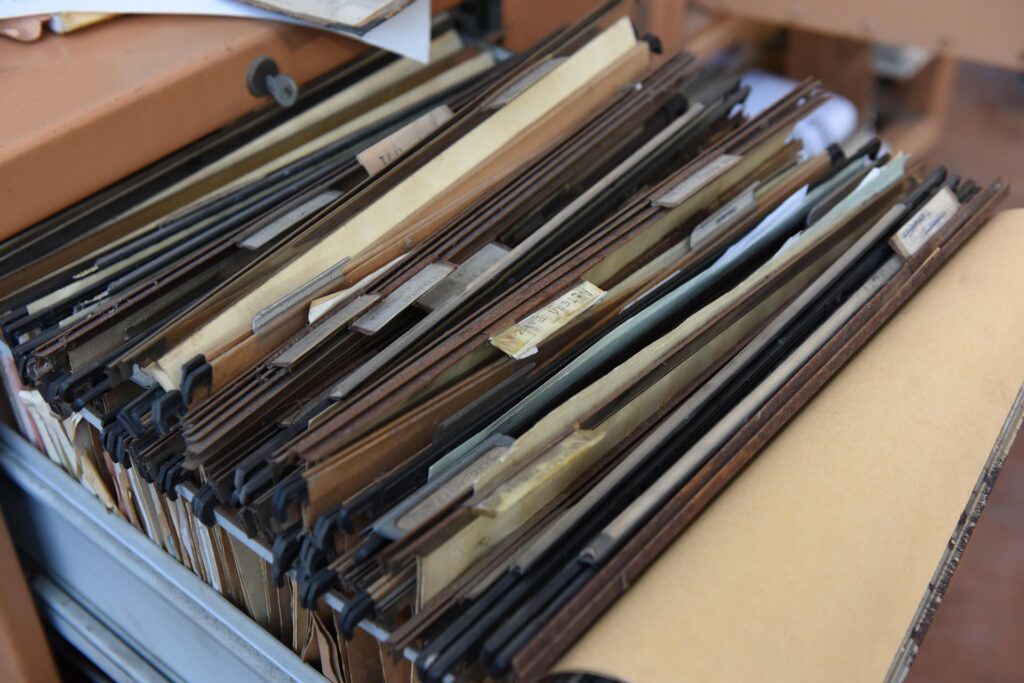
Labels ensure you always know where to put new papers.
Label types to use
- Printed labels
- Handwritten labels
- Color-coded labels
- Stickers for kids’ folders
Tips
- Use large, readable labels
- Color-code by category (example: green = financial, blue = medical)
Clear labels make filing effortless.
6. Use Digital Storage to Reduce Paper Piles
Not everything has to be physical.
Digitize papers such as:
- Receipts
- Statements
- Manuals
- Notes
- School announcements
- Work papers
- Travel documents
Use apps or scanners to store files safely.
Popular tools
- Google Drive
- Dropbox
- iCloud
- Document-scanning apps
- Portable scanners
Digital files reduce clutter and are easier to search.
7. Store Important Documents Safely
Some papers should be kept in a secure place.
Store in:
- Fireproof safe
- Locked drawer
- Protected folder
- Digital backup
Examples of documents to secure
- Birth certificates
- Passports
- Social security cards
- Wills
- Property papers
- Marriage certificates
Always keep digital backups of essential documents.
8. Keep Bills and Financial Papers Organized
Bills and financial statements pile up fast.
Use a simple system
- One folder for “Bills to Pay”
- One folder for “Paid Bills”
- One digital folder for online statements
- Remove old bills every 6–12 months
Keeping financial documents sorted prevents missed payments.
9. Organize Kids’ School Papers
School papers are one of the biggest creators of clutter.
Use a three-part system
- Daily Folder — homework, reminders
- Short-Term Folder — items needed for the month
- Long-Term Binder — artwork, certificates, major projects
Rotate and declutter regularly.
10. Set a Weekly Paper Maintenance Routine
Even the best system fails without upkeep.
Weekly routine
- Empty your paper inbox
- File action papers
- Shred unnecessary items
- Update folders when needed
- Sort mail immediately
Consistency keeps clutter away.
Real-Life Examples
Example 1: Overwhelming Paper Piles
A family created an action-folder system and reduced their daily paper mess by half.
Example 2: Kids’ School Clutter
Using one binder per child transformed chaotic piles into neat, memorable collections.
Example 3: Lost Documents
A fireproof safe prevented important records from getting misplaced and provided peace of mind.
Frequently Asked Questions (FAQ)
1. How long should I keep important papers?
Keep legal documents permanently. Keep taxes for 3–7 years.
2. What should I digitize?
Digitize receipts, manuals, work papers, and any item you don’t need physical copies of.
3. What do I do with old bills?
Shred bills older than 12 months unless needed for tax purposes.
4. How do I organize papers if I have no storage?
Use an accordion file or a small portable filing box.
5. How do I stop paper clutter long-term?
Use a daily or weekly paper inbox and file regularly.
Final Thoughts
Organizing your documents and papers doesn’t have to be difficult. With a simple filing system, a dedicated inbox, clear labels, digital backups, and a weekly routine, you can eliminate paper clutter for good.
Once your system is in place, maintaining it becomes effortless—and you’ll enjoy a home where everything is easy to find, organized, and stress-free.